
The Ethereum Glamsterdam Upgrade Is Delayed as Developers Rush to Resolve Smart Contract Issues
Glamsterdam delay to 2027 stems from gas changes under EIP-8037/8038 risking deployed contracts; testnet timing remains under developer review.
Ethereum Developers Push Glamsterdam Upgrade Into 2027 as Gas Changes Delay Testnet Plans
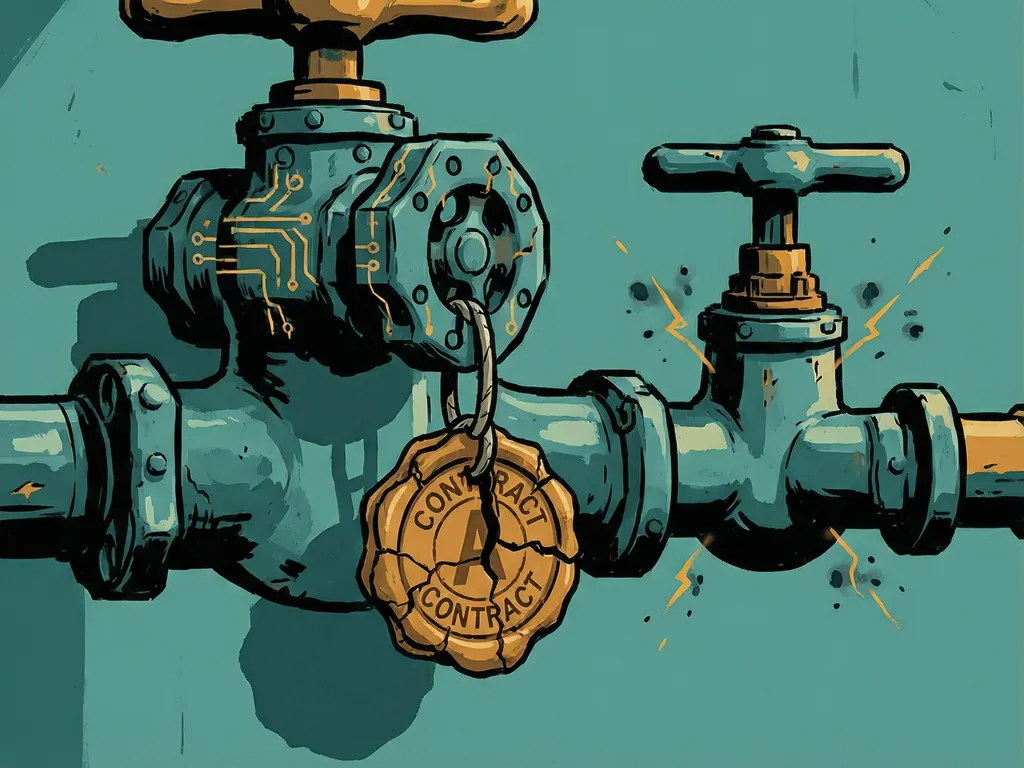
Ethereum developers have pushed the Glamsterdam upgrade into 2027 because of growing concerns that proposed gas pricing changes could disrupt smart contracts. The delay is intended to give affected applications more time to address potential compatibility problems before the proposed changes move forward.
Application Fixes May Finish by Mid-December
At the All Core Developers meeting, Rahul Kothari, an Ethereum Foundation developer, discussed the progress of application teams affected by the proposed changes. He said that if the specification remains unchanged, high impact projects could have their fixes completed by mid-December. Other developers whose applications were impacted are slated to finish repairs by January, according to meeting coverage. Some Core developers are still looking for technical changes, but most prefer to keep the existing gas rules.
The postponement follows an earlier delay of Glamsterdam’s October 26 testnet activation, which was also tied to contract compatibility issues. The previous Hoodi delay resulted from a review of how the proposed gas changes interact with deployed contracts.
State Creation Costs Become the Core Question
The compatibility debate centers on proposed changes to Ethereum’s gas rules. Under Ethereum Improvement Proposal EIP-8037, Ethereum would charge more gas for creating accounts, contract code, and storage. According to the technical specifications of Ethereum, Ethereum Improvement Proposal EIP-8038 has made a separate change to the access fees for the blockchain state.
The proposals aim at state growth as developers prepare to scale Ethereum’s capacity to process transactions. The Ethereum Foundation highlighted eight assumptions in its contracts that proposed gas changes could upset. It issued a notice to developers whose applications make these assumptions on November 6, asking them to submit reports. By November 9, the Foundation had received four reports of potentially impacted deployed contracts.
Ethereum contributor Milonite reported approximately 2,100 temporary contracts created and destroyed daily. The analysis revealed a rise from about 1200 contracts per day in August. Milonite estimated that the creation gas for these temporary contracts could grow by as much as six times, and that the pattern can use up to 1.6 to 2.8 times as much gas to complete a transaction.
Vitalik Buterin, the co-founder of Ethereum, had earlier suggested that the gas fee used to create a state should be increased. He also suggested alternative ways to store applications that might be subject to more expensive charges if the Ethereum Improvement Proposal EIP-8037 change is enacted. Developer Marius van der Wijden said that altering the refund time could have a negative impact on other contracts. During the meeting, some participants reported that the current specification is good enough.
December Testnet Dates Return to Discussion
Ansgar Dietrichs proposed running Glamsterdam on Hoodi during the week beginning December 14. He suggested December 16 or 17 as possible dates, subject to further developer approval. The next consensus-layer call will discuss whether teams can proceed without changing existing specifications. Execution teams must examine alternative designs and share their findings with other developers.
Hegotá Scope Shapes the Next Steps
Separately, developers reviewed Hegotá proposals involving future quantum-resistant transactions and possible changes to upgrade scope. Teams agreed to pause new execution-layer additions while evaluating Hegotá’s post-quantum transaction designs.
What the Delay Signals
The move into 2027 turns Glamsterdam into a coordination problem before it becomes a technical launch. The immediate question is not only whether Ethereum can increase the cost of creating state, but whether deployed contracts can absorb that change without unexpected disruptions. A December Hoodi run would test that assumption in a simulated environment. If teams can finish fixes by mid-December or January and the next consensus-layer call confirms compatibility, developers may keep the existing gas rules and proceed. If technical changes remain necessary, the upgrade scope and timeline could shift again.
At the time of press, Ethereum traded at $1,750.36, down 3.32% over the past 24 hours.
Risk note: This is independent informational coverage, not official guidance and not investment advice. The cited price movement is background only. Network upgrades can alter transaction costs and application behavior; readers should conduct their own research before acting.
Keywords: #Ethereum#Glamsterdam#EIP-8037#Smart Contracts#Gas Fees
Continue with these




Discussion 0
- No questions yet. Ask the first one below.