
A $6.5 billion court order involving Binance is served directly on the blockchain itself.
Abu Dhabi court froze up to $6.5 billion in Binance hack assets via wallet notices, aiding recovery of $2.85 billion frozen stablecoins.
Binance has obtained a $6.5 billion worldwide freezing order from Abu Dhabi’s ADGM Courts against the unidentified perpetrators of its October 29 hack. The court order was announced on November 18, three weeks after the attack drained roughly $6.34 billion in assets. The $6.5 billion figure is the order’s ceiling, not a record of assets already recovered.
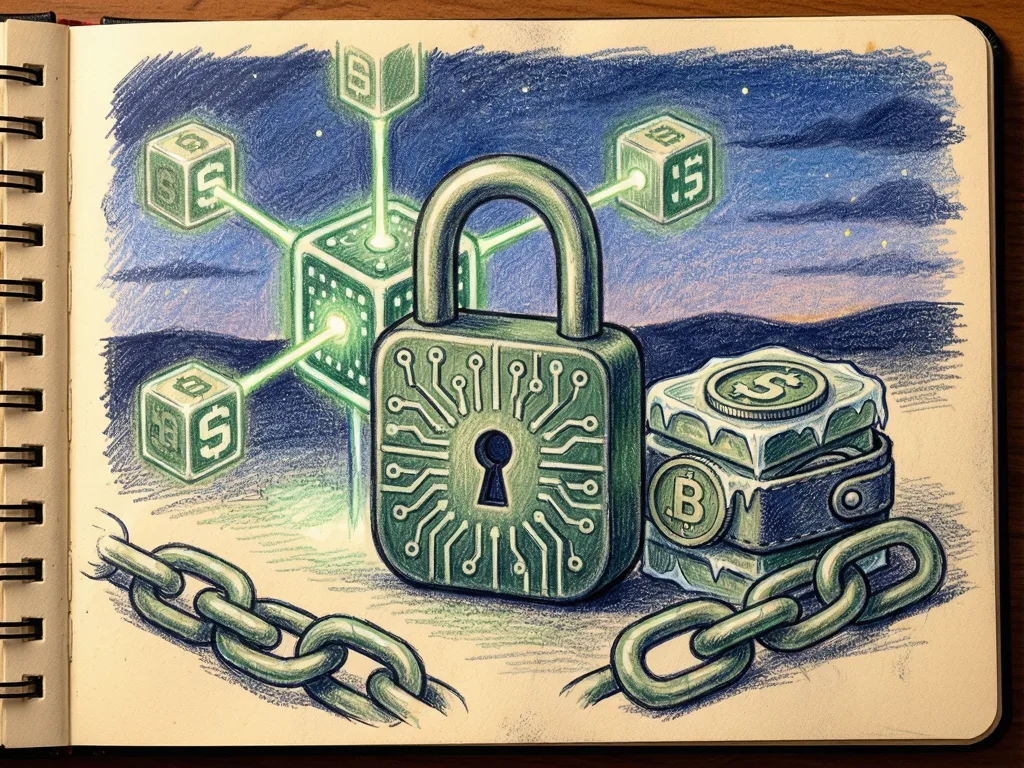
A Legal Notice Sent to Wallets, Not People
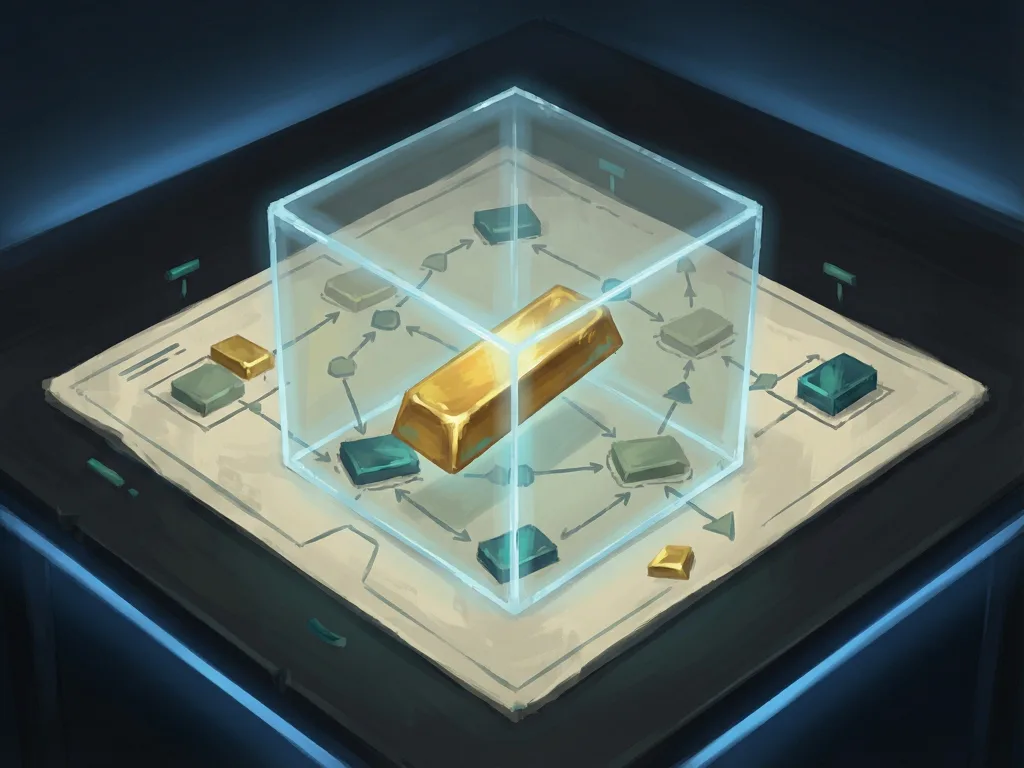
Because the hackers have not been identified, Binance and its lawyers at Gibson Dunn used a mechanism that delivers legal notice through the blockchain. Notices can be served against a continuously updated register of about 26,000 wallet addresses identified as holding stolen assets.
Justice William Stone SBS KC issued the order, which also includes proprietary injunctions and delivery-up orders requiring stolen assets to be handed over. The package also includes interim orders covering assets frozen by named parties against whom no wrongdoing is alleged.
M. Kendall Day, the Gibson Dunn partner representing Binance, said the orders are notified against the living register of wallet addresses. She called the injunction “one of, if not the, largest publicly known freezing orders ever made.”
The living register is central to the order because stolen crypto keeps moving. Each address added to the register is published to market participants, allowing exchanges and issuers to freeze funds as they shift between wallets, even while laundering continues. The order functions as a legal device aimed at a target with no name and no fixed location.
Why a Court Order Matters for Frozen Assets
Binance said some issuers, exchanges and partners require a formal court order before they can release, transfer or return frozen funds. That makes the ADGM order a practical step beyond the freezing notice itself.
About $2.85 billion of the stolen crypto, roughly 45 percent by Binance’s count, had already been frozen or intercepted by third parties before the order was announced. Binance said most of that value was stablecoins that Tether and Circle froze shortly after the attack.
Elliptic co-founder Tom Robinson said earlier that frozen stablecoins could technically be reissued to Binance, but that issuers would want a clear legal basis first. He said the process could take weeks or months. The new order provides that basis.
The Harder Half: Assets That No Issuer Can Freeze
The order does not resolve the part of the problem involving assets that no central issuer can freeze. Elliptic estimated at the time of the attack that about $3.3 billion of the stolen value sat in Bitcoin, Ether and XRP.
On-chain tracking also showed continued movement. Blockchain trackers reported this week that wallets linked to the hack moved a further 78,415 ETH, worth about $142 million, into Bitcoin through THORChain. The attackers’ wallets resumed moving funds after two weeks of inactivity.
The FBI has attributed the hack to North Korea’s TraderTraitor group, which denies involvement.
Customer Coverage and What Remains Unanswered
Before the order was issued, Binance said it covered affected customer assets with more than $6.34 billion from its own treasury, the Secure Asset Fund for Users and insurance funds.
The $6.5 billion injunction ceiling is not a tally of money recovered, and Binance has not said how much has been returned so far. The next practical issue is whether exchanges, issuers and partners can use the court order to freeze or return more assets while the stolen value continues moving on-chain.
Risk note: This article is informational and does not provide investment advice. Cryptocurrency recovery depends on court orders, issuer cooperation, on-chain movement and enforcement, and outcomes are not guaranteed.
Keywords: #Binance#Cryptocurrency#regulation#security#Legal
Continue with these

Discussion 0
- No questions yet. Ask the first one below.