
The XRP Ledger has patched a decade-old bug with a $250,000 bounty.
XRP Ledger patched a decade-old overflow bug after a $250,000 bounty; a proof of concept could create 18 trillion XRP, but no exploit was found.
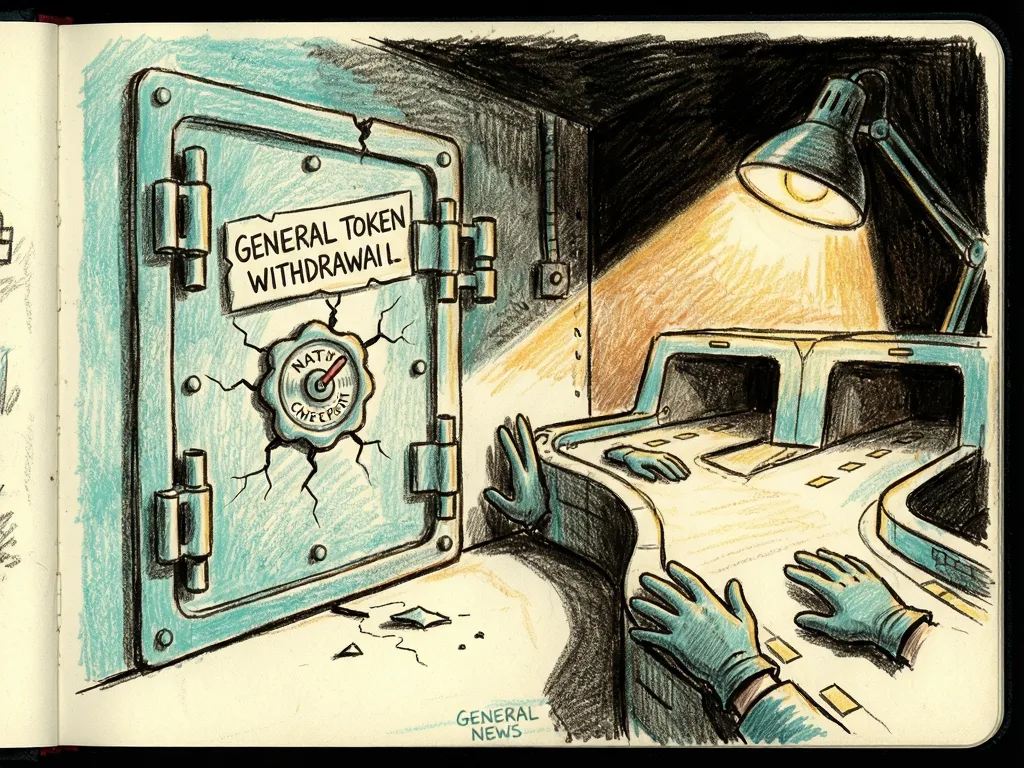
The XRP Ledger fixed a critical security flaw in its payment engine after developers secured the RippleX network and XRP Ledger Foundation. Security researcher Cayden Liao received a $250,000 bounty for reporting the issue. The vulnerability, disclosed through the XRPL bug bounty on September 22, 2026, could have allowed a specially designed transaction to create approximately 18 trillion XRP, far beyond the network’s fixed supply cap. A patch was released on September 25, 2026, with xrpld version 3.4.1, and the coordinated public disclosure came on October 9, 2026.
The Flaw Could Have Broken XRP’s Fixed Supply Model
The problem was not only a software bug. It touched the core economic design of the XRP Ledger. The network was introduced in 2012 with a cap of 100 billion XRP, and XRP cannot be mined or staked on the XRP network. Small amounts of XRP are permanently lost in transactions because of fees, slowly decreasing the number of XRP in circulation.
The vulnerability was an overflow bug in the payment engine. If a special transaction had been designed, the researcher said, it could have produced spendable XRP that went beyond the fixed supply. That would have threatened the network’s financial integrity.
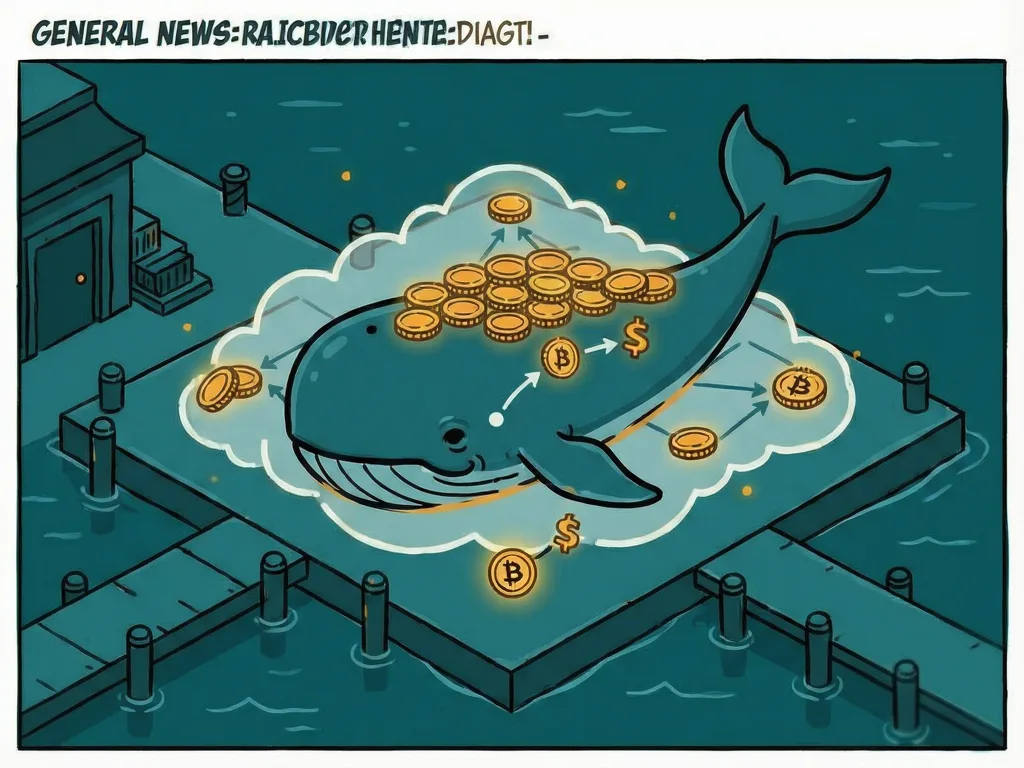
Liao said his team developed a proof of concept that could generate approximately 18 trillion XRP through one transaction. That amount is about 184 times the initial supply in the network. XRP also had a market cap of around $94 billion, so an exploit could have affected trust in the asset and the market. Developers said, however, that attackers have not been found to exploit the flaw on public networks.
The Network Moved Faster Than the Normal Amendment Process
Developers did not wait for the usual governance timeline. The normal path would have required a two-week amendment vote among validators. Instead, they used an emergency process that allowed them to address the threat without revealing technical details to the public.
The patch arrived on September 25, 2026, in xrpld 3.4.1. The disclosure says that over 80% of default validators upgraded their software on that day. The coordinated disclosure followed on October 9, 2026, after developers had secured the RippleX network and XRP Ledger Foundation.
This sequence shows how a blockchain network can reduce risk before public attention turns to the exploit. The immediate fix, validator upgrades, and delayed technical disclosure were all part of containing a problem that could have had a much larger public impact if handled more slowly.
A Decade-Old Code Path Hid a Larger Risk
The discovery also shows why older code can remain dangerous even after years of review. The bugged code was from 2015, and the exploit was described as a combination of 2 bugs. Individually, those weaknesses may have seemed less threatening in previous reviews. Together, they created a much more serious problem.
Liao’s team won the maximum $250,000 prize for discovering the flaw in the program. The researcher called the discovery an “unusually significant security finding.” The claimed proof of concept, however, was described as an attack on public users, not actual damage.
No Public Exploit Was Found, But Upgrades Still Mattered
Despite the critical nature of the potential exploit, there were no reports of unauthorized creation of XRP. Developers also did not see evidence that public network users lost money because of the flaw. A large theoretical threat was resolved without a public network incident.
The incident highlights the role of validators in blockchain security. Their software helps ensure proper functioning and security of the ledger. When developers find critical vulnerabilities, timely upgrades can help minimize exposure. In this case, the speed of the patch and validator adoption were important in limiting the risk.
Bug Bounty Programs Remain a Defense Layer
The XRP Ledger has been the subject of many audits and security challenges in the past few years. The disclosure says the network has awarded over $1 million in bug bounties. Such programs encourage researchers to responsibly report vulnerabilities rather than leaving them open for exploitation by attackers.
For readers, the value of the story is not a trading signal. It is a view into how blockchain infrastructure responds when a core rule is at risk. A fixed supply model depends on code that enforces that supply, and even a decade-old bug can matter if it reaches the payment engine. The XRP Ledger’s response shows a coordinated disclosure path that reduced a large theoretical threat without confirmed public harm.
The underlying report appeared first on Live Bitcoin News.
Risk note: This article is independent informational content. It is not investment advice, does not recommend any asset, and does not guarantee profit or safety.
Keywords: #Blockchain Security#XRP Ledger#Bug Bounty#Crypto Exploit#XRP
Continue with these




Discussion 0
- No questions yet. Ask the first one below.