
Akash Introduces Forward Contracts Ahead of a 2027 Pilot
Akash introduced GPU forward contracts for verified compute, using node-months, with a certified pilot planned for early 2027 and a public launch.
Akash Unveils GPU Forward Contracts and Plans a Pilot for the First Quarter of 2027
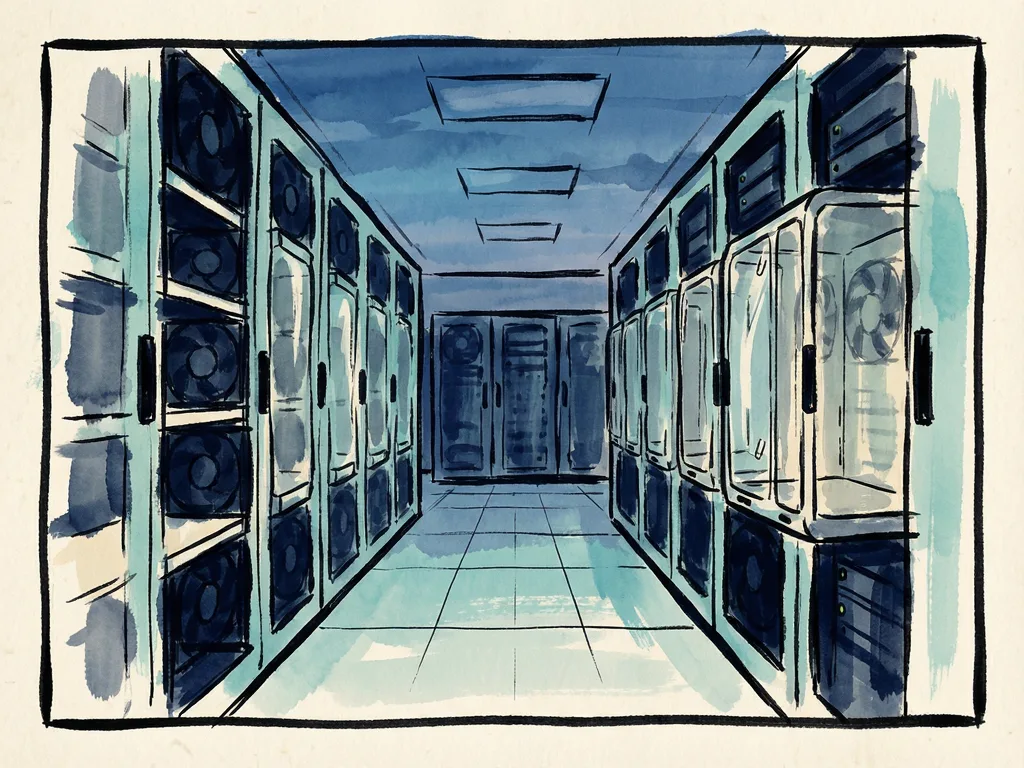
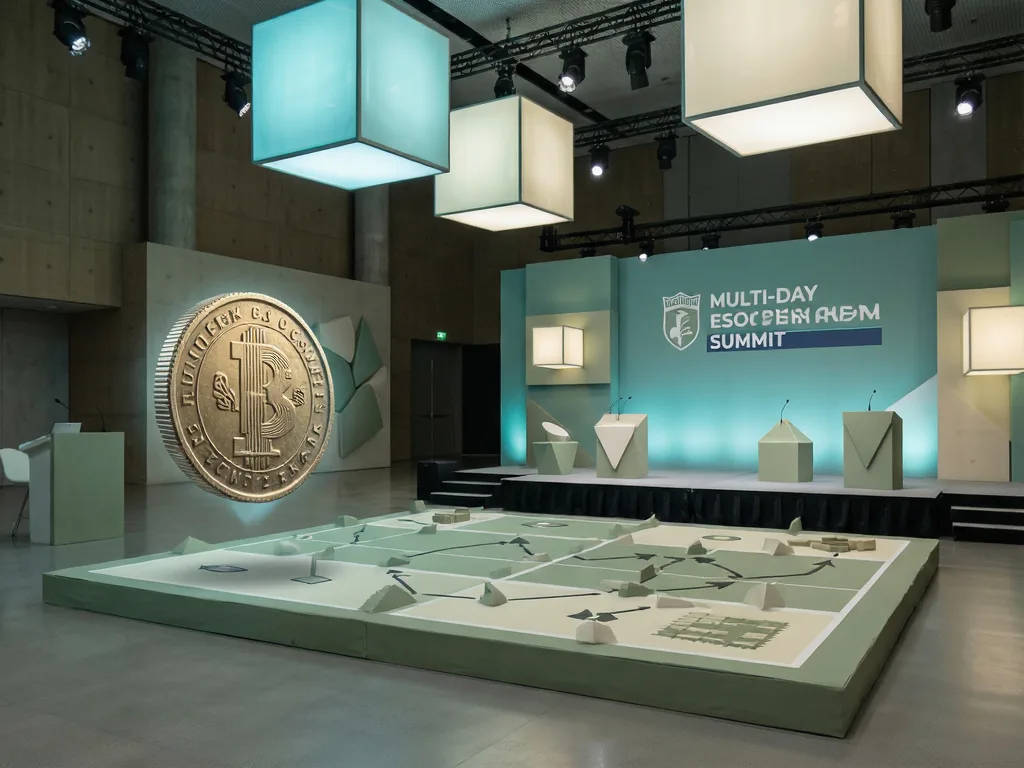
Akash announced Akash GPU forward contracts, marketed as Akash Forwards, on November 17, 2026, during Solana Breakpoint. Founder Greg Osuri presented a cleared forward market intended to trade future GPU capacity that must be delivered as verified compute, rather than settled against a synthetic index. A BusinessWire release places the first certified-participant pilot in the first quarter of 2027 and points to a broader public launch in the second quarter of 2027. The Akash Compute Forwards product page states plainly that the current site is a published market design: it is not open, and no trading is live yet.
Private Deal Friction and the Node-Month Design
Most AI labs still obtain GPUs through private bilateral agreements. Those agreements often differ in hardware grade, region, duration, and price, making capacity hard to compare. When supply becomes tight, less favored buyers can be outbid. When project plans shift, buyers can be left holding capacity they no longer need. Investors and lenders encounter the same information gap because there is no public forward price tied to machines that can actually be delivered.
Akash Forwards creates a single unit called a node-month. The design lets a buyer reserve eight-GPU NVIDIA B300 nodes for calendar months in advance. The listed hardware also includes H200s and RTX Pro 6000 Blackwells. Each contract identifies a GPU grade, a region, and a delivery month, and the price is set when the trade clears. That gives both sides one common standard to trade against.
A Claim of Physical Delivery, Hour by Hour
Providers whose hardware passes Akash verification may sell future capacity before it is online. Buyers may sell a contract back into the market before delivery if their needs change. Price discovery happens through a daily open call auction. An automated clearing program stands between every buyer and seller and handles daily settlement in US dollars.
The published timeline describes a filled position trading through daily calls until close to its delivery month, with daily dollar settlement for price changes. After the final call for the month, the program matches each remaining buyer with attested nodes and records a one-month lease. Akash validators check each lease every hour. Providers earn payment only for hours served. If a provider stops serving, the buyer does not pay for the missed time. The system then looks for replacement compute through the spot path.
If an outage lasts longer, the design provides two outcomes: the buyer can finish the month on one node, or receive the remainder of the month in cash at a reference price. In short, the physical-delivery promise is attested GPU hours for the purchased month, or a cash gap when delivery fails. The blockchain component, as described, is lease accounting and hourly checks. It does not prove that a model trained on those GPUs was correct.
Why the Market Design Points Toward Price Discovery
Cheng Wang, the chief financial officer and chief operating officer of Overclock Labs, the organization behind Akash Network, said in the release that three US exchanges have already announced compute futures in 2026. He argued that the unresolved issue for such contracts is settlement trust. He also said bilateral GPU deals hide the price information buyers and sellers need.
The project framing says Akash Forwards addresses that gap in the way power and gas markets have addressed their own forward pricing problems: each contract delivers real GPU-hours to a defined standard, and every recorded price reflects what someone actually paid. Greg Osuri described the buyer pain in simpler terms. Unless a lab is among the best funded, he said, it cannot know what compute truly costs. It is outbid when capacity is scarce. It buys too much to avoid risk. That uncertainty spreads to investors trying to value the AI buildout.
A public forward curve for standardized node-months is the central idea. AI and blockchain rails would turn hidden capacity into a commodity-style price signal. The release also points to a parallel: 0G's path from staked assets into AI compute credits.
Live Unveil, Unproven Depth, and What to Watch
The record available so far describes a launch announcement, not a functioning order book. Osuri unveiled Akash Forwards at Solana Breakpoint. The company published a white paper and design site at forwards.akash.network. The wire release lists the hardware grades and the month-long physical unit. It also lists the daily auction, dollar clearing, the first quarter of 2027 certified pilot, and the second quarter of 2027 public target. Illustrative terminal prices on the design site are marked as simulated.
The more difficult questions remain at the level of project claims. The pilot has not yet cleared a real trade. Default protection, certification agents, guarantors, and assignment rules are described as design layers, not a proven market with depth. Hourly validator checks can show that a lease ran. They do not guarantee that replacement capacity will always be available at a fair price. Wang's comparison to power markets is an analogy for how forward prices can finance supply. It is not evidence that GPU forwards will draw the same liquidity.
The mental model to hold is simple: Akash GPU forward contracts seek to create a public, physical-delivery price for future AI capacity before buyers must infer costs from private deals. Watch whether the first quarter of 2027 pilot clears real node-months at verified grades. Watch whether prices remain visible after assignment. Watch whether buyers use the curve as a hedge rather than as a brochure.
The original report appeared on Live Bitcoin News.
This independent informational article does not provide investment advice. Forward contracts, AI compute markets, and blockchain infrastructure carry delivery, settlement, liquidity, and technology risks. A published design, pilot target, or simulated price does not guarantee that trading, verified delivery, or market depth will materialize.
Keywords: #Akash#GPU Forward Contracts#AI Compute#Price Discovery#2027 Pilot
Continue with these



Discussion 0
- No questions yet. Ask the first one below.