
The US Department of Justice Nets $750,000 Through a Ghost Student Crypto Seizure in Kenya
US prosecutors charged five defendants and seized $750,000 from a Kenyan cryptocurrency account in a student aid fraud tied to Operation Ghostbusters
Department of Justice Charges Five Defendants and Seizes More Than $750,000 in an Operation Ghostbusters Kenyan Cryptocurrency Case
On Thursday, the Department of Justice announced charges against five defendants in Operation Ghostbusters, a federal investigation focused on alleged student-aid fraud connected to a Kenyan network. Investigators said they seized more than $750,000 from a cryptocurrency account held by a Kenyan national linked to the scheme. The cases involve the District of New Jersey, the Eastern District of Virginia, and the District of Nebraska. Officials described the account seizure as the Fraud Division’s first international cryptocurrency account seizure of its kind in Kenya.
The announcement reframes a student-loan fraud story as a cross-border money movement problem. Prosecutors allege the pipeline began with stolen identities and false Free Application for Federal Student Aid filings. The refunds then passed through United States bank accounts controlled by money mules. From there, part of the trail moved into digital assets abroad, according to the Department of Justice.
How the Alleged Ghost Student Scheme Moved Aid
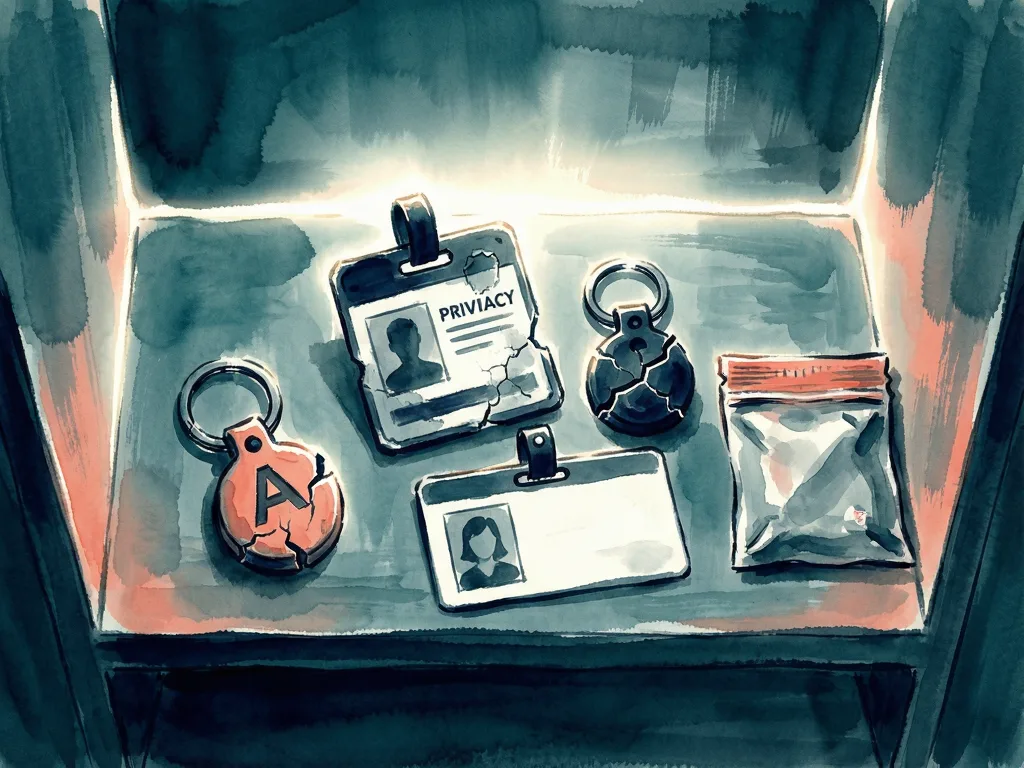
Operation Ghostbusters targets a large alleged fraud scheme. The Department of Justice says actors created fraudulent Federal Student Aid accounts using stolen identities and enrolled “ghost students” who never attended class. Loan and grant refunds were then directed to accounts controlled by foreign actors and United States-based mules, including Kenyan nationals.
The Department of Justice says community colleges and universities began flagging suspicious Free Application for Federal Student Aid applications around 2021. Refunds landed in bank accounts that did not belong to the people named on the applications. Investigators now estimate the fraud at well over $200 million. The Federal Bureau of Investigation says it has identified more than $32 million in losses in similar ghost-student schemes, and it suspects millions more.
Prosecutors also allege that fraudsters used tools the Department of Justice called “super intelligence” to place fake students into classrooms and complete coursework so aid continued to flow. Many known victims hold only high school diplomas. They later discovered they had been enrolled hundreds of miles away.
In September and October 2026, investigators identified 830,840 potentially fraudulent Federal Student Aid IDs tied to nearly $130 million. Agents recommended that the Department of Education disable those identifiers.
What the Kenyan Cryptocurrency Account Seizure Shows
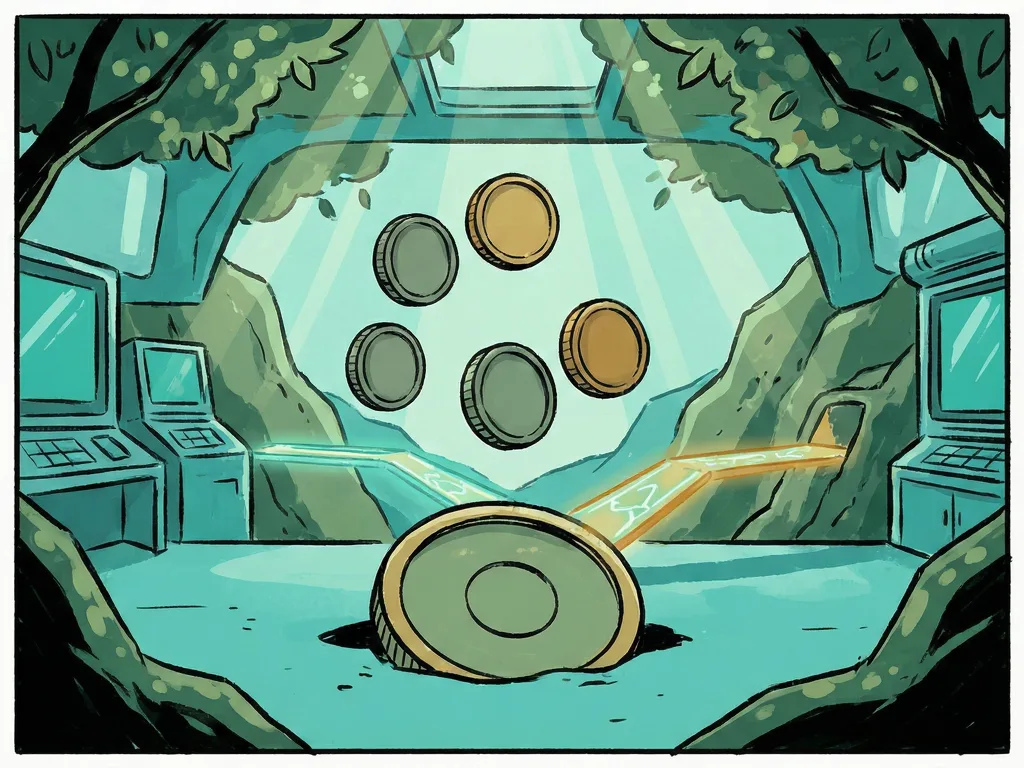
The seizure itself is smaller than the alleged total loss, but it marks a concrete step in the international side of the investigation. In September, Fraud Division staff and agency partners traveled to Kenya. They pressed for extradition, prosecution, and asset return. Kenyan law enforcement helped seize more than $750,000 from a cryptocurrency account belonging to a Kenyan national connected to the scheme.
Assistant Attorney General Colin M. McDonald of the National Fraud Enforcement Division presented the action as a first for the division. He called it the Fraud Division’s first international cryptocurrency account seizure of its kind in Kenya. The seizure was announced alongside the charges against five defendants.
The Department of Justice named three Kenyan partners in the release: the Directorate of Criminal Investigations, the Asset Recovery Agency, and the Office of the Director of Public Prosecutions. The dollar amount is less than the alleged overall fraud. The signal is larger: student-aid theft that begins as bank refunds can still end as a digital balance that partners freeze when the money crosses borders.
Charges Across Three Districts
District of New Jersey
A criminal complaint charges Mabed Patricia Utate-Alberto, Patricia Arisleydi Perez, and George Arturo Alfau Mendez. Prosecutors describe them as alleged United States-based money mules. They say the conspiracy ran from about March 2021 through at least January 2026. The intended loss is above $1 million, listed as about $1.5 million in the case caption. After allegedly taking a cut, the three are accused of wiring funds to Kenya-based co-conspirators linked to a purported safari company. All three have been arrested. The Department of Justice said two Kenya-based co-conspirators remain uncharged for now.
Eastern District of Virginia
On October 21, a grand jury returned a multi-count indictment. The public release leaves the defendant’s identity under seal. The indictment charges a Kenyan national with conspiracy to commit wire fraud and student-aid fraud. It alleges more than $1.4 million was stolen through over 700 fraudulent refund deposits. At least $1.3 million then moved through wires and money-service transfers to accounts in the United States and Kenya.
District of Nebraska
On October 19, a grand jury indicted Francis Mogambi, a Kenyan citizen. The counts include five of theft of government money and five of aggravated identity theft. Prosecutors say that between November 2025 and May 2026 he used stolen identities to redirect aid checks. He allegedly kept about 30% of the proceeds and sent the rest to Kenya. The intended loss in that case is listed at $20,000. Mogambi has been arrested and detained pending trial.
An indictment or criminal complaint reflects allegations. The defendants are presumed innocent unless proven guilty in court.
Why Cross-Border Digital Money Trails Matter
The case matters because it is not only an education-fraud headline. It also shows how stolen identities, bank mules, overseas networks, and digital balances can connect into one payment path.
In the alleged scheme, stolen identities opened the door. Mule bank accounts moved the refunds. Overseas networks took the cut. A cryptocurrency account became one place where proceeds could sit when cash needed to travel faster than paperwork. That route sits on the same map as other cryptocurrency scams that convert government or consumer losses into portable digital balances.
The Department of Justice says more than 40 cases are open. The work spans 26 Federal Bureau of Investigation field offices and more than 20 United States Attorneys’ Offices. Operation Ghostbusters continues to work with Kenyan counterparts on asset return and extradition. One Kenyan cryptocurrency wallet freeze will not close a scheme measured in hundreds of millions. It does show where investigators are willing to follow the next transfer step.
New technology changes the surface of theft. The basic psychology stays old: borrow someone else’s name, harvest a program built for students, then look for a less visible place to store the proceeds.
Risk note: This is an independent informational report, not an official announcement by any company or exchange. It is not legal, financial, or investment advice, and it does not suggest that any cryptocurrency transaction is safe or profitable. Cross-border fraud investigations and digital asset seizures can involve serious legal, regulatory, and security risks.
Keywords: #US Justice#cryptocurrency seizure#student aid fraud#Operation Ghostbusters#Kenya
Continue with these






Discussion 0
- No questions yet. Ask the first one below.