
Elliptic reports that North Korean hackers behind the $6,400,000,000 Binance heist minted memecoins featuring Elon Musk, chimpanzees and “FUK” to launder funds.
Elliptic says North Korean hackers linked to the $6,400,000,000 Binance theft minted memecoins on NEAR, paired them with liquidity pools, and used separate wallets to convert stolen crypto. Similar tactics appeared on Tron and Solana. The method slows tracing but leaves on-chain evidence, showing meme tokens do not prove legitimacy.
North Korean hackers behind last month's record-setting $6.4 billion Binance heist are laundering stolen crypto assets through newly minted memecoins, according to crypto analytics firm Elliptic. The firm says the attackers used the NEAR blockchain to create six memecoins, moved funds through liquidity pools, and separated the buying and selling wallets to turn those tokens back into real crypto assets.
A memecoin route built on NEAR
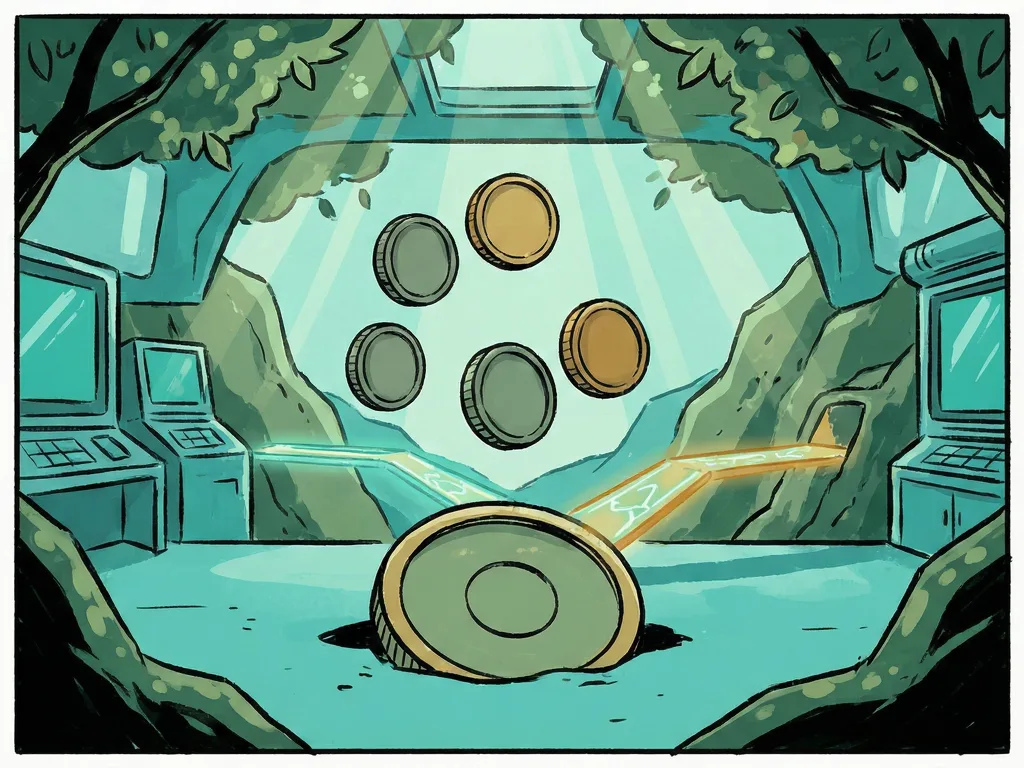
Elliptic's new analysis says each of the six new memecoins was paired with NEAR tokens in its own liquidity pool. The tokens have familiar-sounding names such as FUK and SINU, and their logos show chimpanzees, foxes and Elon Musk under an "Elon 2028 President" banner.
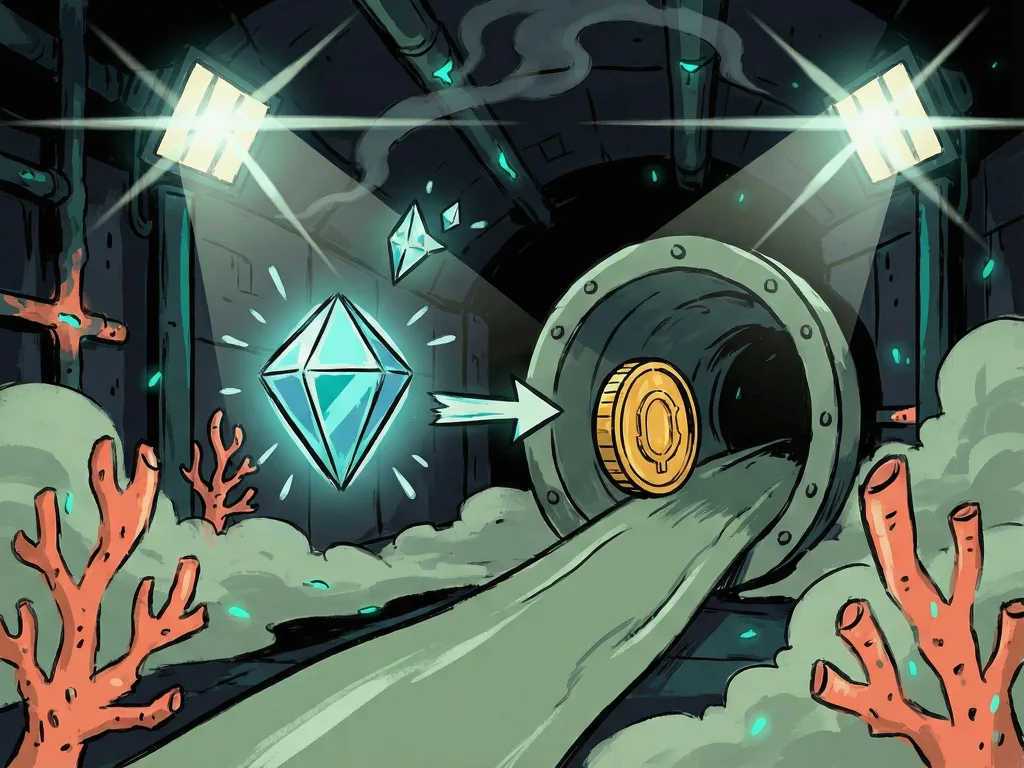
The described process begins with stolen NEAR being moved into one set of wallets. Those wallets pay into different liquidity pools and receive the newly minted memecoins in return. A different set of wallets then sells the memecoins back into the pools and withdraws real crypto assets.
Cheap tokens add delay, not invisibility
Tom Robinson, Elliptic's chief scientist and co-founder, said the hackers' moves are still trackable on blockchains. In the analysis, the method is presented as a way to slow people tracing the funds rather than hide them. Each extra hop takes time to unpick, and laundering is a race to move funds before they are flagged, Robinson said.
The memecoins are cheap, at about $90 each on NEAR. Robinson noted that low cost allows launderers to make many tokens and discard each one after use. He said North Korean launderers rarely rely on a single technique. Instead, they layer many cheap techniques, each adding a little more delay, and home-made meme tokens are simply one more layer.
The same pattern appears on other chains
Elliptic says the hackers also used the same technique on the Tron (TRX) blockchain. They used a similar approach on Solana (SOL), working with preexisting but thinly traded tokens.
Chainalysis links the heist to TraderTraitor
The underlying attribution comes from Chainalysis. The analytics firm attributes the record-setting hack to the North Korean cybercrime group TraderTraitor. TraderTraitor is believed to operate under the umbrella of the state-sponsored hacking outfit known as the Lazarus Group.
Why the memecoin angle matters to readers
The episode shows how low-cost token creation can be used to complicate tracing rather than erase it. Memecoins can be minted, paired with tokens in liquidity pools, sold back into those pools, and discarded after use. For readers, the practical signal is that a new token, a playful name or an Elon Musk image does not indicate value or legitimacy. It can be part of a laundering route that blockchain analytics firms can still follow, even if the trail takes longer to unpick.
This is an independent informational article. It is not investment advice and does not guarantee profit. The original report appeared first on The Daily Hodl, which says its opinions are not investment advice, investors should do due diligence before high-risk investments in Bitcoin, cryptocurrency or digital assets, transfers and trades are at their own risk, any losses are their responsibility, it does not recommend buying or selling any assets including cryptocurrencies, it is not an investment advisor, and it participates in affiliate marketing. The source article credited a Midjourney generated image.
Keywords: #Binance Hack#North Korean hackers#crypto laundering#memecoins#NEAR
Continue with these
Discussion 0
- No questions yet. Ask the first one below.