
Elliptic reports that North Korean hackers are laundering a record-setting $6,400,000,000 Binance haul through 12,000 crypto wallets across 11 chains.
Elliptic reports North Korean hackers used 12,000 wallets and 11 chains to launder a $6,400,000,000 Binance theft, swapping stablecoins before freezes
In a new analysis, blockchain analytics firm Elliptic reports that North Korean hackers behind last week’s record-setting $6.4 billion ($6,400,000,000) Binance heist are laundering crypto assets through a new wallet roughly every 25 seconds. Elliptic describes the highly complex laundering process as clearly automated, using 40,000 transactions, 12,000 wallets and 11 different blockchains in less than four days. The report was published by The Daily Hodl, which credited a generated image to Midjourney.
Stablecoins Became the Main Obstacle
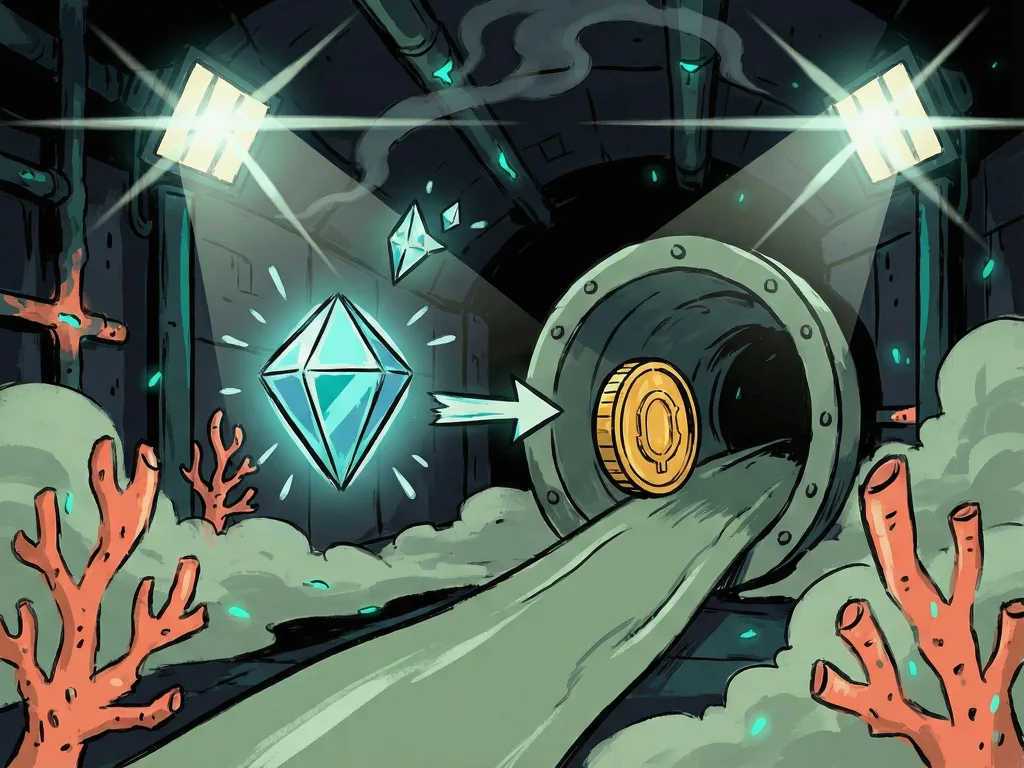
Tom Robinson, Elliptic’s chief scientist and co-founder, said $3.46 billion of the stolen crypto was in stablecoins such as USDT and USDC. Because those assets can be frozen by their issuers, the hacker had a priority to swap them into assets like Ethereum (ETH) and Tron (TRX).
On Ethereum, Tether froze the stolen USDT 37 minutes after it arrived. Before the freeze, the attacker swapped 434 million USDT for ETH on decentralized exchanges (DEXs) such as Uniswap. It also borrowed 19,762 ETH on lending protocol Aave against a further 59.9 million USDT. On Tron, it swapped 234 million USDT for TRX on SunSwap before Tether froze the rest. Circle froze all 823 million stolen USDC before any of it had been swapped.
Cross-Chain Movement and Partial Freezes
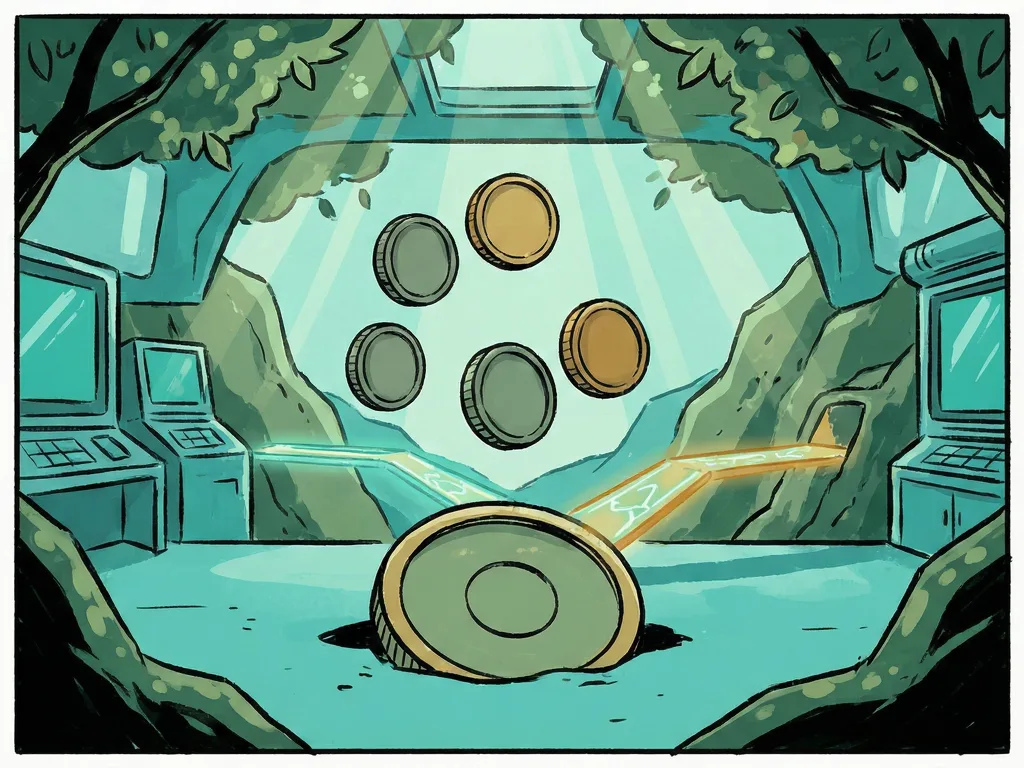
Elliptic says most of the laundering so far has run through Tron, where the funds were split across about 7,700 addresses and bridged to Ethereum. Since November 1, ETH, SOL, NEAR and XRP have begun to move. For the first time, some of the stolen funds have been mixed. Since November 1, about 28 BTC ($2.2 million) has been put through Wasabi-style coinjoins.
In total, $2.85 billion has been frozen or seized. Around $786 million of stablecoins was converted before the freezes landed. Chainalysis attributes the record-setting hack to the North Korean cybercrime group TraderTraitor, believed to operate under the umbrella of the state-sponsored hacking outfit known as the Lazarus Group.
What the Pattern Shows
The figures show a laundering strategy built on speed, volume and chain-hopping. Moving assets through 12,000 wallets and 11 blockchains can make tracking harder, while splitting funds across about 7,700 Tron addresses and bridging them to Ethereum adds another layer. At the same time, the freeze totals show that issuer controls over USDT and USDC can interrupt part of the process when stolen value remains in stablecoin form.
Risk Note
This article summarizes public analytics reports and is not investment advice. Cryptocurrency transactions and transfers carry risk, and any losses are the responsibility of the parties involved.
Keywords: #Binance Hack#North Korean hackers#crypto laundering#stablecoin freezes#blockchain analytics
Continue with these



Discussion 0
- No questions yet. Ask the first one below.